

Asphalt Shingle Roof Replacement
We specialize in full roof replacement for homeowners across Central Iowa. If your shingles are worn, aging, or failing, replacement is the right long-term solution.
Most roof replacements fall between $8,000 and $20,000+ depending on size, pitch, and materials. Waiting too long often leads to higher costs once underlying issues are exposed.
Professional Asphalt Shingle Roof Replacement in Central Iowa
We focus on asphalt shingle roof replacement for homeowners who want a clear, predictable process and a roof that will last. Every project includes full tear-off, new underlayment, proper ventilation, and complete installation of architectural shingles.
Benefits
- Protect your home from Iowa's severe weather
- Increase energy efficiency and lower utility bills
- Boost curb appeal and property value
- Prevent costly water damage and leaks
- Comprehensive manufacturer warranties available
What We Offer
Our Process
We make asphalt shingle roof replacement simple with a straightforward, customer-focused approach.
Free Inspection
We thoroughly inspect your roof and provide a detailed assessment.
Custom Proposal
Receive a transparent quote with material options and pricing.
Professional Installation
Our skilled crew completes the work efficiently and cleanly.
Final Walkthrough
We inspect the finished project with you to ensure satisfaction.
Asphalt Shingle Roof Replacement Throughout Central Iowa
We provide asphalt shingle roof replacement across Polk and Dallas counties. Click a city to learn more about our services in your area.
Skylight Leaks and Gaps Between Shingles
Gaps between shingles and the roof deck or framing members around a skylight, chimney, or valley are not cosmetic — they are a pathway for water on every rain event. When shingles separate from the curb or adjacent decking, moisture works into the underlayment, then the sheathing, and eventually appears as staining or soft spots on interior ceilings.
Skylight leaks in particular are common in Iowa homes because the step flashing and counterflashing that seals the joint between the skylight frame and roofing degrades independently of the shingles. A roof can be in otherwise good condition and still leak at a skylight when flashing has failed or was installed without correct overlap. Caulk is not a lasting fix — the correct repair requires removing the surrounding shingles, replacing step flashing, and reinstalling with proper sealant and overlap.
If you see daylight through gaps near a skylight, water stains on the ceiling below, or shingles that have lifted or separated around the curb, get an inspection before the next rain event. These openings do not close on their own.
Visible Nail Heads or Metal Fasteners Under Shingles
If you can see metal nail heads or screw tips when looking up at the underside of a roof overhang, or if fasteners are visible through the shingle surface from the attic, that is a sign the roof may have an installation problem. Properly installed asphalt shingles are nailed in the nailing zone — a concealed strip covered by the course above — so no fastener head should be exposed to weather or visible from below under normal conditions.
Exposed fasteners allow water to track down the shank and into the sheathing over time. On steep-slope residential roofs, this is one of the more common sources of slow leaks that do not produce obvious interior staining until the sheathing is already soft. The leak point is typically several feet away from where the water eventually appears on the ceiling.
Nail heads visible on the shingle face itself — rather than under the next course — indicate the shingles were face-nailed, which is outside manufacturer installation specifications and typically voids the material warranty. If you notice any of these conditions on a newer roof, a professional inspection is the right next step to document the installation method and determine whether remediation is needed before water damage occurs.
Flashing Repair and Roof Penetration Sealing
Roof flashing — the metal material installed at chimneys, pipe boots, skylights, and wall-to-roof transitions — is one of the most common sources of both water intrusion and animal entry on older Iowa roofs. When step flashing lifts, counter-flashing gaps at a chimney, or pipe boots crack, the opening is large enough for moisture on every rain event and small enough that it may not be visible from the ground.
These same openings are how rodents and squirrels typically enter an attic. A mouse can fit through a gap of roughly a quarter inch, and a failed pipe boot or lifted flashing course creates a ready-made entry point at a location that is already above the roofline and out of sight. Once animals establish a path in, they return seasonally — sealing the gap at the roof surface is the only lasting fix.
Caulk is not a durable solution for flashing gaps. The correct repair involves removing surrounding shingles, replacing the damaged flashing component with properly overlapped new metal, and reinstalling shingles to cover it. During any roof inspection or replacement, we check every roof penetration for flashing condition and proper seal. If you have signs of animal activity in your attic or interior water staining near a chimney or vent pipe, a flashing inspection is the right starting point.
Choosing a Roofing Material: Standard Architectural vs. SBS-Modified Shingles
Most residential roof replacements in Central Iowa use standard architectural (laminate) shingles — products like the GAF Timberline HDZ. These are a significant step up from older 3-tab shingles: they carry 30-year material warranties, provide better wind resistance, and handle Iowa's hail seasons reasonably well. For most homeowners on a typical budget, standard architectural shingles are the right choice.
For homeowners who want the longest possible roof life, SBS-modified asphalt shingles — such as the GAF Timberline AS II or UHZ — are worth considering. SBS (Styrene-Butadiene-Styrene) is a polymer additive that makes the asphalt more flexible and impact-resistant. In practice this means the shingle stays more pliable in cold Iowa winters without becoming brittle, holds up better under repeated hail impacts, and resists cracking and granule loss over a longer service life. Manufacturer warranties on SBS-modified products typically run 50 years to lifetime.
The tradeoff is cost: SBS-modified shingles carry a meaningful price premium over standard architectural products. Whether that premium is worth it depends on how long you plan to stay in the home, your appetite for another roof replacement in 25 vs. 40 years, and your local hail history. We can provide pricing for both tiers so you can make the comparison with real numbers.
Budgeting for Roof Replacement: What Iowa Homeowners Should Know
If your home was built in the mid-2010s — say 2015 to 2018 — your original roof is now approaching the 10-year mark. Standard architectural shingles installed by production builders typically carry 25- to 30-year material warranties, but real-world performance in Iowa depends heavily on the grade of shingle used, the quality of the original installation, and how many hail seasons the roof has absorbed. A builder-grade 25-year shingle on a 2017 home may have another 15 or more years of life — or it may already be showing stress. The only reliable way to know is an inspection.
The more useful question at the 8–12 year mark is not whether you need a roof now, but whether you should be budgeting for one in the next several years. Roof replacement on a typical Central Iowa home currently runs $8,000 to $20,000 depending on size, pitch, material grade, and tear-off complexity. If you can get a clear written estimate while your roof still has life, you know exactly what to plan for — rather than discovering the cost only when a storm or leak forces the decision.
For homeowners paying out of pocket, getting a written estimate 1–3 years before you actually need the work done is one of the most practical ways to plan the expense. Prices shift with material costs and labor availability, but a current estimate gives you a real number to work from. We provide free written estimates with no obligation — if your roof has years of life remaining, we will tell you that directly.
Frequently Asked Questions
Common questions about asphalt shingle roof replacement in central Iowa.
Helpful Guides
Learn more before you decide.
Other Services
Explore our complete range of exterior home services.
Recent Roof Replacement Projects
Here are a few of the roof replacements we've completed across Central Iowa.
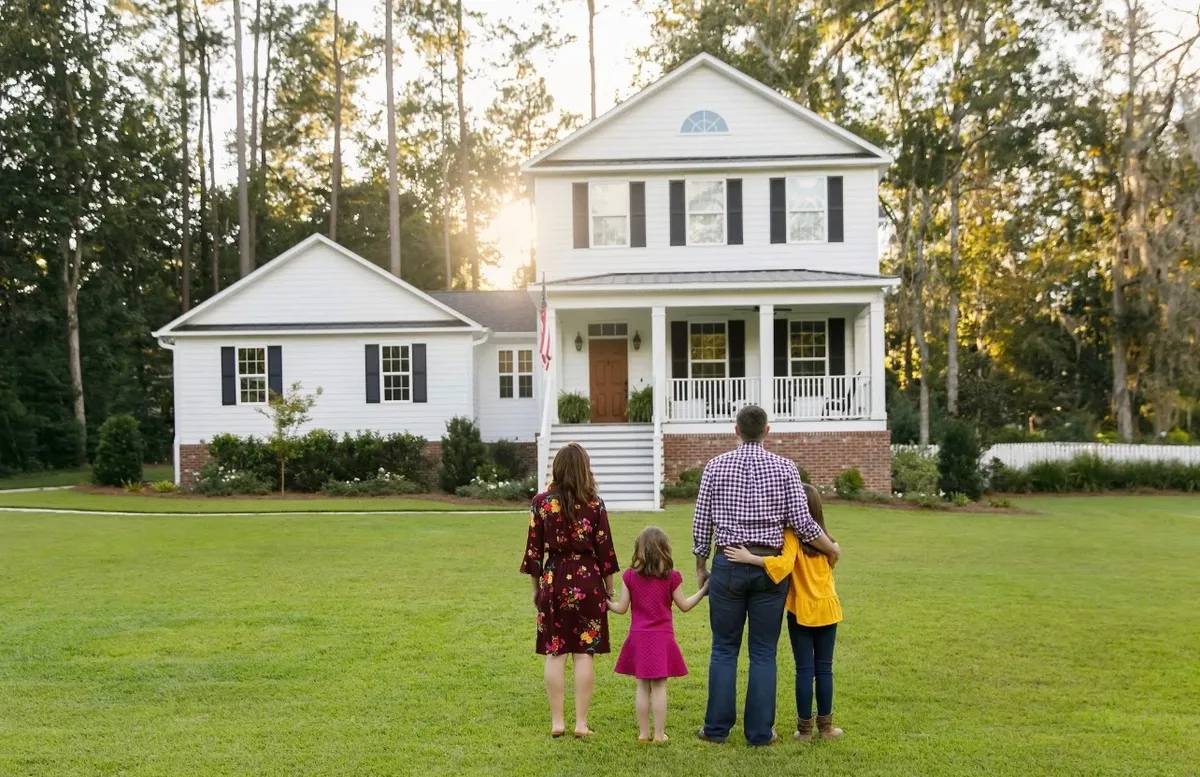
Full tear-off and architectural shingle installation on a two-story home with upgraded ventilation.
Complete roof replacement with new underlayment and ridge vent system for improved airflow and long-term performance.
Removed aging shingles and installed a full replacement roofing system with clean flashing and edge detail work.
Full roof replacement addressing wear and ventilation issues, completed with a clean jobsite and detailed final inspection.
Get a Clear Roof Replacement Estimate
If your shingles are worn, aging, curling, losing granules, or your roof has recurring issues, waiting usually makes the project more expensive. We provide clear written estimates so you know what replacement will actually cost.
Most asphalt shingle roof replacements fall between $8,000 and $20,000+ depending on size, pitch, access, layers, ventilation, and material selection.
Free written estimate, no obligation. We typically respond within one business day.